Mornings can feel hectic. Between snoozing your alarm, getting ready, scanning emails, and rushing out the door, breakfast is usually the first thing sacrificed. You might grab whatever’s convenient, skip eating entirely, or depend on coffee to keep you going. But a healthy breakfast doesn’t have to take time. Just five ingredients can make all the difference.
This routine might seem normal, but over time, it can leave you tired, irritable, distracted, and more likely to overeat later.
Nutrition experts agree: a simple, balanced breakfast can help your metabolism, thinking, and overall health. It doesn’t have to be complicated, costly, or time-consuming.
That’s where 5-ingredient breakfasts come in. They’re quick, practical, affordable, and designed to be healthy. This guide breaks down:
- why a balanced breakfast matters
- what nutritionists actually prioritize in the morning
- five simple, 5-ingredient meals recommended for everyday Americans
- how to adapt them for allergies, dietary preferences, and busy routines
Why Breakfast Matters More Than People Think
Many people think breakfast is optional, and technically, it is. Intermittent fasting works for some. But research shows that for most adults, especially women, students, and those with demanding mental tasks, a balanced breakfast helps with mood, energy, and blood sugar.
Studies suggest breakfast can:
- improve concentration and short-term memory
- support stable blood glucose levels
- reduce cravings and overeating later in the day
- contribute to long-term heart and metabolic health
So the real question isn’t “Should you eat breakfast?” but “What should it actually contain?”

What Nutritionists Prioritize in a Morning Meal
Most dietitians agree: breakfast doesn’t have to be perfect, just balanced. That usually means including:
Protein: Supports muscle health, stabilizes blood sugar levels, and keeps you fuller for longer.
Fiber: Aids digestion, supports gut health, and prevents energy crashes through the morning.
Healthy Fats: Helps with nutrient absorption and keeps you satisfied between meals.
Complex Carbohydrates: Provides steady, long-lasting energy without causing quick sugar spikes.
Micronutrients: Vitamins, minerals, antioxidants which come especially from fruits & vegetables
You don’t need a 12-ingredient smoothie or fancy avocado toast. Just use simple, purposeful ingredients.
The 5-Ingredient Rule: Why It Works
Limiting breakfast to five ingredients:
- prevents decision fatigue
- shortens prep and cleanup time
- keeps grocery shopping affordable
- encourages consistency
- makes healthy eating feel realistic
It also helps you pay attention to what you eat, instead of just grabbing packaged foods without thinking.
5 Nutritionist-Approved, 5-Ingredient Breakfasts
These recipes use common grocery items, take little time, and don’t need special products.
1. Greek Yogurt Parfait With Berries & Nuts
Ingredients
- Plain Greek yogurt
- Blueberries or strawberries
- Honey or maple syrup
- Almonds or walnuts
- Chia seeds
Why it works
- Greek yogurt provides 15–20g of protein per cup
- Berries offer antioxidants and fiber
- Nuts supply healthy fats for satiety
- Chia seeds add omega-3s and extra nutrients
Time required: 2 minutes
Optional swaps: dairy-free yogurt, pumpkin seeds, bananas
2. Avocado Egg Toast
Ingredients
- Whole-grain bread
- Ripe avocado
- Eggs (fried, poached, or boiled)
- Olive oil
- Lemon + pepper
Why it works
- Whole grains deliver steady energy
- Eggs provide complete protein
- Avocado + olive oil support heart health
Time required: 7–10 minutes
Budget tip: Buy frozen avocado chunks. They have the same nutrients and cost less.
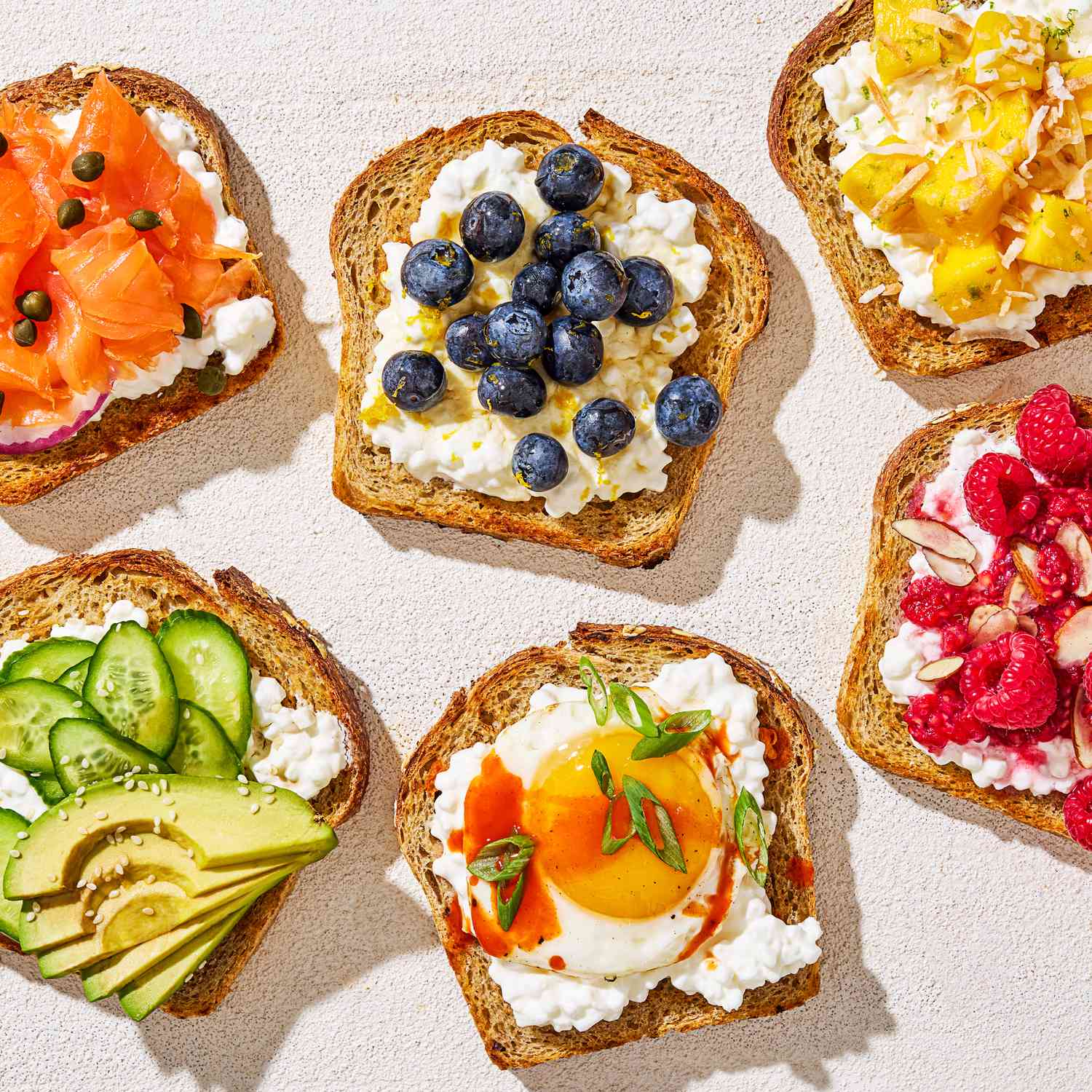
3. Cottage Cheese & Fruit Breakfast Bowl
Ingredients
- Cottage cheese
- Pineapple, peach, or mixed berries
- Ground flaxseed
- Cinnamon
- Honey (optional)
Why it works
- Cottage cheese has slow-digesting protein
- Fruit adds natural sweetness and vitamins
- Flaxseed boosts fiber and omega-3s
Time required: 2–3 minutes
Tip: Great for people who prefer a cold breakfast.
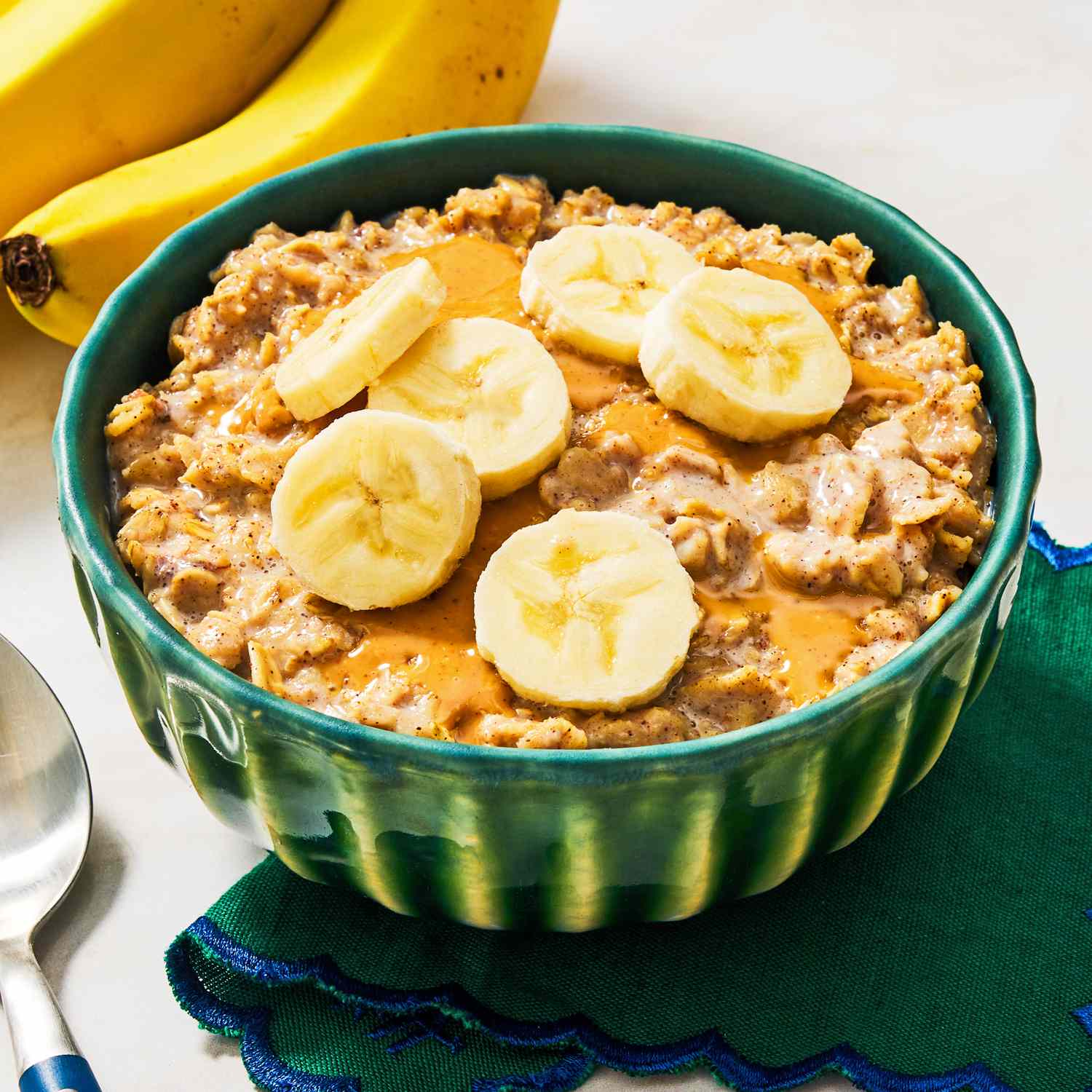
4. Oatmeal With Peanut Butter & Banana
Ingredients
- Rolled or steel-cut oats
- Milk or water
- Peanut butter or almond butter
- Banana
- Cinnamon
Why it works
- Oats support heart & gut health
- Nut butter increases fullness
- Banana adds potassium & natural carbs
Time required: 3–8 minutes
Tip: Choose natural nut butter because it has fewer added sugars.
5. Breakfast Burrito
Ingredients
- Whole-wheat tortilla
- Scrambled eggs
- Black beans
- Salsa
- Shredded cheese
Why it works
- Balanced mix of protein, carbs & fiber
- Customizable for picky eaters
- Affordable ingredients available year-round
Time required: 10 minutes
Meal prep: make 6 to 8 burritos, freeze them, and microwave when needed.

What About Smoothies?
Smoothies can be healthy, but many Americans end up making them too sugary. If you like to drink your breakfast, nutritionists suggest including:
- 1 protein source (Greek yogurt, protein powder, milk)
- 1 fiber source (chia seeds, oats, berries)
- 1 healthy fat (nut butter, avocado)
- limit juice and add sweeteners
When in doubt, read labels, especially for added sugars.
Common Breakfast Mistakes
Many people assume they’re eating “healthy,” but dietitians see recurring issues:
skipping protein entirely
starting with only coffee
relying on processed pastries or cereal
using juice instead of whole fruit
eating too little and overeating later
No shame, just awareness. Breakfast doesn’t have to be perfect, just balanced.
How to Build Your Own 5-Ingredient Breakfast
Use this simple formula:
Protein + Fiber + Fruit/Vegetable + Healthy Fat + Flavor
Examples:
- Hard-boiled eggs + apple + almonds
- Whole-grain toast + hummus + cucumber slices
- Cottage cheese + blueberries + granola
If it keeps you energized and satisfied, it counts.
When Breakfast Should Be Adjusted
Talk to a healthcare professional or registered dietitian if you:
- have diabetes, PCOS, or blood sugar concerns
- take medications requiring food or fasting
- exercise intensely in the morning
- struggle with appetite changes, nausea, or gastrointestinal issues
Nutrition is personal. There’s no one-size-fits-all approach.
Final Thoughts
You don’t need complicated meal plans, expensive “superfoods,” or extra time in the kitchen. You just need to be consistent, not perfect.
A balanced breakfast is a way to care for yourself, not just another task on your to-do list.
Some days, breakfast might be as simple as yogurt and fruit, and that’s perfectly okay.
Sources
- U.S. Department of Agriculture — Dietary Guidelines for Americans
https://www.dietaryguidelines.gov - Harvard T.H. Chan School of Public Health — Healthy Breakfast Recommendations
https://www.hsph.harvard.edu/nutritionsource/healthy-breakfast - American Heart Association — Whole Grains & Heart Health
https://www.heart.org/en/healthy-living/healthy-eating - National Institutes of Health — Protein & Satiety Research
https://www.ncbi.nlm.nih.gov
Medical Disclaimer
This article is for educational purposes only and should not replace personalized medical or dietary advice. Always consult a licensed healthcare professional or registered dietitian before making significant changes to your eating habits, especially if you have medical conditions, food allergies, or take prescription medications.
The information provided on this blog is not intended to be medical advice and should not be relied upon as such.If you have any medical concerns, please consult with a qualified healthcare professional. We are not responsible for any harm or injury caused by reliance on the information provided.