Eating healthy doesn’t have to be complicated, expensive, or time-consuming. Some of the most nutritious meals use fresh ingredients and balanced portions with minimal fuss. With good combinations of protein, vegetables, whole grains, and healthy fats, you can fuel your body, feel energized, and enjoy food without stress.
This guide offers easy meal ideas for nourishing bowls, one-pan dishes, snacks, and soups. Each meal is practical, flexible, and satisfying, helping you maintain healthy eating habits without feeling restricted.
Why Easy Meal Ideas Work
Healthy eating is easier with simple steps. Focus on meals that are quick to prepare, use readily available ingredients, and require minimal planning. Simplicity increases the chances you’ll eat balanced portions and maintain steady energy.
- You’re more likely to eat balanced portions
- Avoid skipping meals and excessive snacking
- Reduce cravings and overeating
- Maintain steady energy levels throughout the day
- Feel confident about your food choices
Prioritize consistency over perfection. Start by adding vegetables or switching to whole grains. Small changes build lasting wellness.
Building a Balanced Meal
A balanced meal provides the essential nutrients your body needs for energy, digestion, and long-term health. Here’s what to focus on:
- Protein – Supports muscle health, improves satiety, and stabilizes blood sugar.
Examples: Chicken, fish, eggs, lentils, tofu, Greek yogurt, beans. - Fiber-Rich Carbohydrates – Provide energy and support digestive health.
Examples: Brown rice, quinoa, oats, whole grains, sweet potatoes. - Healthy Fats – Aid nutrient absorption and add flavor and satisfaction.
Examples: Olive oil, avocado, nuts, seeds, fatty fish. - Colorful Produce – Fruits and vegetables provide antioxidants, vitamins, and minerals essential for long-term wellness.
Examples: Spinach, kale, bell peppers, carrots, tomatoes, berries. - Hydration – Water is essential for digestion, metabolism, and energy. Pair meals with water, herbal tea, or infused water.
Following this framework, you can mix and match ingredients to create endless healthy meals.

Easy Bowl Meals
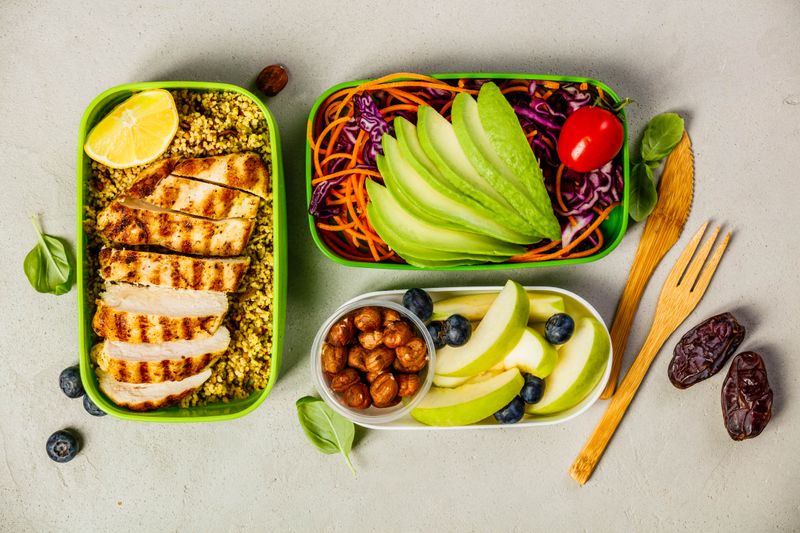
Bowl meals are versatile, easy to assemble, and let you combine protein, vegetables, grains, and healthy fats in one dish.
1. Quinoa & Roasted Vegetable Bowl
Ingredients: Quinoa, roasted zucchini, carrots, bell peppers, chickpeas, olive oil, herbs
Preparation:
- Cook 1 cup of quinoa according to package instructions.
- Chop zucchini, carrots, and bell peppers; toss with 1 tbsp olive oil.
- Roast vegetables at 200°C (400°F) for 20 minutes.
- Drain and rinse 1 cup chickpeas.
- Combine quinoa, roasted vegetables, and chickpeas in a bowl. Sprinkle with herbs and drizzle with olive oil before serving.
2. Lentil & Spinach Power Bowl
Ingredients: Cooked lentils, sautéed spinach, tomatoes, cucumber, olive oil, lemon juice
Preparation:
- Sauté 2 cups of spinach in 1 tsp olive oil until wilted.
- Dice tomatoes and cucumber.
- Mix spinach, vegetables, and 1 cup cooked lentils in a bowl.
- Drizzle with olive oil and lemon juice, season with salt and pepper.
3. Mediterranean Chickpea Bowl
Ingredients: Chickpeas, cherry tomatoes, cucumber, feta cheese, olive oil, whole-grain couscous
Preparation:
- Cook 1 cup couscous according to package instructions.
- Halve cherry tomatoes and dice cucumber.
- Combine couscous, chickpeas, and vegetables in a bowl.
- Top with crumbled feta cheese and a drizzle of olive oil.
Tip: Prepare grains and legumes in bulk to make these bowls ready in minutes.
One-Pan Meals for Busy Days
One-pan meals minimize cleanup and cook proteins, vegetables, and grains together for maximum nutrition.
1. One-Pan Chicken & Vegetables
Ingredients: Chicken breast or thighs, broccoli, bell peppers, carrots, olive oil, garlic, herbs
Preparation:
- Preheat oven to 200°C (400°F).
- Toss chicken and chopped vegetables with olive oil, minced garlic, and herbs.
- Spread on a baking sheet and roast for 20–25 minutes until chicken is cooked through.
- Serve warm, sprinkled with fresh herbs.
2. Baked Salmon & Asparagus
Ingredients: Salmon fillets, asparagus, cherry tomatoes, olive oil, lemon slices, pepper
Preparation:
- Preheat oven to 200°C (400°F).
- Place salmon and asparagus on a baking tray. Drizzle with olive oil and season with pepper.
- Add cherry tomatoes and lemon slices.
- Bake for 15–20 minutes until salmon is flaky.
3. Tofu & Vegetable Stir-Fry
Ingredients: Firm tofu, bell peppers, broccoli, snap peas, soy sauce, ginger, olive oil
Preparation:
- Press and cube tofu.
- Heat olive oil in a pan, sauté tofu until golden. Remove and set aside.
- Stir-fry vegetables with minced ginger for 5–7 minutes.
- Add tofu back, drizzle soy sauce, and cook for another 2 minutes. Serve over brown rice or quinoa.
Soups and Stews for Nourishment
Soups and stews are comforting, easy to batch-cook, and nutrient-rich.
1. Lentil & Vegetable Soup
Ingredients: Red or green lentils, carrots, celery, tomatoes, garlic, herbs
Preparation:
- Sauté diced carrots, celery, and garlic in olive oil.
- Add 1 cup lentils and 4 cups water or broth.
- Simmer for 20–25 minutes until lentils are tender.
- Add chopped tomatoes and herbs, cook another 5 minutes.
2. Chicken & Vegetable Stew
Ingredients: Chicken, potatoes, carrots, green beans, onions, olive oil
Preparation:
- Sauté chopped onions in olive oil.
- Add chicken pieces and brown slightly.
- Add chopped potatoes, carrots, and green beans with 2 cups water.
- Simmer 25–30 minutes until vegetables and chicken are cooked.
3. Minestrone Soup
Ingredients: Kidney beans, zucchini, carrots, tomatoes, whole-grain pasta, Italian herbs
Preparation:
- Sauté onions, carrots, and zucchini in olive oil.
- Add diced tomatoes, kidney beans, 4 cups water, and herbs.
- Bring to a boil, add pasta, and simmer until pasta is cooked.
Stir-Fries and Rice/Grain Bowls
Grain-based stir-fries are quick, versatile, and nutrient-dense.
1. Veggie Fried Brown Rice
Ingredients: Brown rice, carrots, peas, corn, tofu or eggs, soy sauce, sesame oil
Preparation:
- Heat sesame oil in a pan.
- Sauté diced carrots, peas, and corn.
- Add tofu or scrambled eggs, along with cooked brown rice.
- Stir-fry for 5–7 minutes, then drizzle with soy sauce before serving.
2. Chicken & Vegetable Quinoa Stir-Fry
Ingredients: Quinoa, chicken, bell peppers, onions, olive oil, spices
Preparation:
- Cook quinoa as per instructions.
- Sauté the chicken in olive oil with spices until cooked.
- Add bell peppers and onions, cook 5 minutes.
- Mix in quinoa and serve hot.
3. Bean & Veggie Couscous Stir-Fry
Ingredients: Kidney beans, zucchini, cherry tomatoes, whole-grain couscous, olive oil
Preparation:
- Cook couscous according to package instructions.
- Sauté zucchini and cherry tomatoes in olive oil.
- Add kidney beans and cooked couscous. Mix well and serve.
Salads as Full Meals
Salads can become a complete meal by adding protein and healthy fats.
1. Mediterranean Chickpea Salad
Ingredients: Chickpeas, cucumber, tomatoes, olives, olive oil, herbs
Preparation:
- Combine all ingredients in a bowl.
- Drizzle olive oil and season with salt, pepper, and herbs.
2. Tuna & Avocado Salad
Ingredients: Tuna, avocado, mixed greens, cherry tomatoes, olive oil, lemon juice
Preparation:
- Mix tuna and diced avocado with salad greens.
- Add cherry tomatoes, drizzle olive oil and lemon juice.
3. Lentil & Veggie Salad
Ingredients: Cooked lentils, bell peppers, spinach, carrots, olive oil, balsamic vinegar
Preparation:
- Combine lentils and vegetables in a bowl.
- Drizzle olive oil and balsamic vinegar before serving.
Snack Ideas That Keep You Energized
Healthy snacks help prevent overeating and maintain energy levels.
- Roasted chickpeas or nuts
- Veggie sticks with hummus
- Yogurt with berries and seeds
- Fruit with nut butter
- Whole-grain crackers with avocado or cottage cheese

Tips for Meal Prep and Planning
- Batch cook grains and proteins: Cook rice, quinoa, lentils, chicken, or tofu in advance.
- Chop vegetables ahead of time and store in airtight containers for quick use.
- Use leftovers creatively: Transform last night’s vegetables or proteins into bowls or stir-fries.
- Portion wisely: Half vegetables, one-quarter protein, one-quarter carbs.
- Keep healthy snacks visible for easy access.
Creating Your Own Meals
Instead of relying solely on recipes, follow this flexible formula:
- Protein: Eggs, chicken, fish, tofu, lentils, beans
- Fiber & Vegetables: Leafy greens, carrots, broccoli, bell peppers, zucchini
- Carbohydrate: Whole grains, sweet potatoes, brown rice, quinoa
- Healthy Fats: Olive oil, avocado, nuts, seeds
- Seasoning & Flavor: Herbs, spices, garlic, lemon
This approach makes healthy eating intuitive, varied, and stress-free.
Final Thoughts
Eating healthy can be simple, satisfying, and sustainable. By focusing on easy meal ideas, balanced portions, and smart preparation, you can nourish your body without stress or complicated recipes. Whether it’s bowls, one-pan dishes, stir-fries, soups, salads, or snacks, there’s a wealth of options to keep your meals interesting, flavorful, and full of nutrients.
Healthy eating is about consistency, variety, and practicality. Start with a few of these ideas today, and gradually build habits that make balanced eating effortless.
Sources
1. Harvard School of Public Health – Healthy Eating Plate
https://www.hsph.harvard.edu/nutritionsource/healthy-eating-plate/
2. World Health Organization (WHO) – Healthy Diet Recommendations
https://www.who.int/news-room/fact-sheets/detail/healthy-diet
3. American Heart Association – Nutrition Guidelines
https://www.heart.org/en/healthy-living/healthy-eating
4. National Institutes of Health – Office of Dietary Supplements
https://ods.od.nih.gov/
Medical Disclaimer
This article is for educational purposes only and should not replace personalized medical or dietary advice. Always consult a licensed healthcare professional or registered dietitian before making significant changes to your eating habits, especially if you have medical conditions, food allergies, or take prescription medications.
The information provided on this blog is not intended to be medical advice and should not be relied upon as such.If you have any medical concerns, please consult with a qualified healthcare professional. We are not responsible for any harm or injury caused by reliance on the information provided.