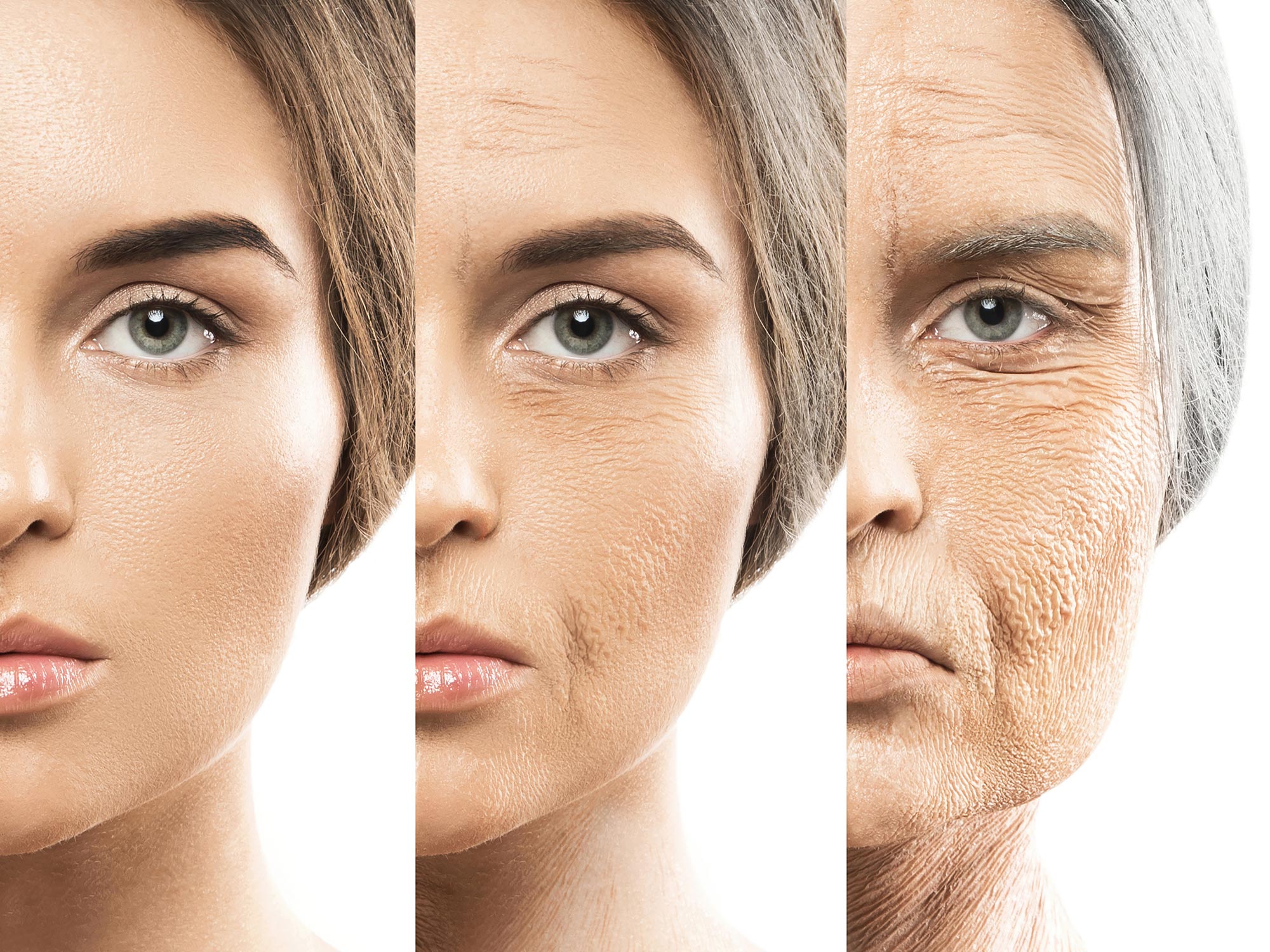
Aging is a natural process, but the rate at which visible signs show up on your skin depends largely on your lifestyle, habits, and daily care. While genetics play a role, the choices you make every day, what you eat, how you protect your skin, and how consistent your routine is can help you maintain a healthier, more youthful appearance.
This guide shares simple, science-backed tips to prevent early signs of aging. Everything is beginner-friendly, practical, and achievable without expensive products or treatments.
Understanding Skin Aging
Skin aging results from a combination of intrinsic and extrinsic factors.
Intrinsic aging is the natural process driven by your genes. It usually shows up as fine lines, less skin elasticity, and thinner skin.
Extrinsic aging comes from factors outside your body, such as sun exposure, pollution, smoking, diet, and stress. These are the areas where you can make changes to slow down visible aging.
Cellular turnover slows as we age, leading to decreased collagen and elastin production. Collagen provides structure, while elastin ensures skin elasticity. Reduced production results in sagging skin, wrinkles, and uneven texture. Understanding these mechanisms emphasizes the importance of protective and preventive measures in daily life.

Sun Protection: The Most Effective Preventive Step
Sun exposure is the main cause of early skin aging, also called photoaging. UV rays penetrate deep into the skin, damaging collagen and elastin, leading to wrinkles, age spots, and uneven skin tone.
Recommendations for beginners and experts alike:
- Apply broad-spectrum sunscreen SPF 30 or higher daily, even on cloudy days
- Reapply sunscreen every 2 to 3 hours if you are outside for a long time
- Wear hats, sunglasses, and protective clothing to cover your skin.
Research shows that using sunscreen regularly can significantly slow the appearance of wrinkles and dark spots. It is the most effective way to prevent signs of aging.
Nutrition and Antioxidants for Skin Health
A balanced diet supports skin health in several ways. Key vitamins, minerals, and healthy fats help protect against oxidative damage, fight inflammation, and maintain collagen levels.
Key nutrients for preventing aging:
| Nutrient | Benefits | Sources |
| Vitamin C | Collagen synthesis, antioxidant | Citrus fruits, strawberries, bell peppers |
| Vitamin E | Protects against free radicals | Nuts, seeds, spinach |
| Omega-3 fatty acids | Reduces inflammation, improves elasticity | Fatty fish, flaxseeds, walnuts |
| Polyphenols | Antioxidant, reduces damage | Green tea, berries, dark chocolate |
| Zinc | Supports repair, reduces inflammation | Pumpkin seeds, legumes, nuts |
Eating a diet rich in colorful fruits, vegetables, nuts, seeds, and fatty fish provides antioxidants that protect skin cells. Reducing processed foods and added sugars helps limit glycation, which can stiffen collagen fibers and accelerate skin aging.

Hydration and Skin Health
Water is essential for maintaining skin turgor and elasticity. Dehydrated skin can appear dull, saggy, and more prone to wrinkles.
Practical hydration tips:
Drink at least 8 cups of water each day, and have more if you are active or it is hot outside.
Eat fruits and vegetables with lots of water, like cucumber, watermelon, and oranges
Try not to have too much caffeine or alcohol, since they can dry out your skin.
Staying hydrated helps your skin work well from the inside, keeping it strong and healthy as you age.
Basic Skincare Routine for Anti-Aging
You do not need lots of products to prevent aging. A simple routine with regular cleansing, moisturizing, and protection works very well.
Core steps for anti-aging:
- Gentle Cleanser: Removes impurities without stripping natural oils
- Moisturizer: Keeps your skin hydrated and helps protect it
- Sunscreen: Daily UV protection
Optional anti-aging additions:
Retinoids or retinol: Help your skin renew itself and make more collagen
Antioxidant serums: Protect your skin by fighting free radicals
Exfoliants (like AHAs or BHAs): Make your skin smoother and brighter
It is better to stick with a simple routine every day than to use lots of products only sometimes.
Quality Sleep and Skin Recovery
Getting enough sleep is important for your skin to repair and renew itself. When you sleep deeply, your body sends more blood to your skin and releases hormones that support healing.
Tips for better sleep and skin health:
- Aim for 7–9 hours of quality sleep per night
- Maintain a consistent sleep schedule
- Sleep on your back to reduce sleep lines on the face
Not getting enough sleep over time can make you look older, causing dark circles, fine lines, and less firm skin.
Managing Stress to Slow Down Aging
Ongoing stress raises cortisol, a hormone that can speed up skin aging by breaking down collagen and causing inflammation.
Effective stress-reduction strategies include:
- Mindfulness meditation or deep-breathing exercises
- Regular physical activity
- Engaging in hobbies and social connections
Keeping stress under control helps you look younger and supports your mental health.
Avoiding Smoking and Excess Alcohol
Smoking and drinking too much alcohol both make your skin age faster:
· Smoking reduces blood flow, depletes oxygen, and breaks down collagen
· Alcohol dehydrates the skin and increases oxidative stress
Staying away from smoking and too much alcohol helps keep your skin firm, even-toned, and healthy.
Exercise and Circulation
Being active helps improve blood flow, bringing more oxygen and nutrients to your skin. It also lowers stress and helps prevent puffiness, giving your skin a healthy glow.
Recommended activities:
· Brisk walking, jogging, swimming
· Strength training for overall body health
· Yoga or stretching for stress reduction and flexibility
Exercise is a simple way to take care of your skin and your whole body.
Common Mistakes to Avoid
Even if you have good habits, some mistakes can still hurt your efforts to prevent aging:
· Skipping sunscreen
· Over-exfoliating or using harsh products
· Inconsistent hydration
· Poor sleep hygiene
· Excessive sunbathing or tanning
Steering clear of these mistakes makes your anti-aging routine work even better.
How Long Until You See Results
These prevention tips take time to show results:
· 4–6 weeks: Improved skin hydration and texture
· 6–12 weeks: Reduction in dullness and minor fine lines
· 3–6 months: Noticeable changes in skin elasticity, tone, and radiance
Being patient and sticking to your routine is key. Daily habits add up and make a bigger difference than quick fixes.
Final Thoughts
You can prevent early aging by following simple, science-based habits instead of spending money on expensive treatments. Protecting your skin from the sun, eating well, staying hydrated, sleeping well, managing stress, exercising, and keeping a basic skincare routine all help keep your skin healthy for the long term. Incorporating these strategies into daily life, individuals can slow the visible signs of aging, maintain skin elasticity, and enjoy a healthier, more radiant appearance over time. Simple, sustainable practices often deliver the best and most lasting results.
Sources
1. Mayo Clinic – Skin care and anti-aging
2. Journal of Investigative Dermatology – Skin aging mechanisms
Medical Disclaimer
This article is for informational and educational purposes only. It is not a substitute for personalized medical, dermatological, or nutritional advice. Consult a licensed healthcare provider or dermatologist before making significant changes to your diet, exercise, or skincare routine.
The information provided on this blog is not intended to be medical advice and should not be relied upon as such.If you have any medical concerns, please consult with a qualified healthcare professional. We are not responsible for any harm or injury caused by reliance on the information provided.