Healthy Eating Tips for Everyday Life
Eating well isn’t about strict rules, complicated diets, or cutting out everything you enjoy. It’s about creating small, consistent habits that support your body, energy, mood, and long-term health. Most people notice that after 40, the body appreciates a little extra care, but truly, these habits benefit everyone who wants to feel lighter, stronger, and more balanced in daily life.
Below is a simple, practical guide to healthy eating that works for busy schedules, changing routines, and real-life cravings. No extreme restrictions, just sustainable choices.
1. Start Your Day With Steady Energy
Breakfast sets the tone for your entire day. A sugar-loaded morning leads to mid-day crashes, cravings, and fatigue. Instead, build a breakfast that keeps energy steady for hours:
Better Morning Choices
- Oatmeal topped with nuts and fresh fruit
- Eggs with whole-grain toast and greens
- Greek yogurt with berries and chia seeds
- A smoothie with banana, spinach, flaxseed, and protein
Why this helps:
Balanced breakfasts stabilise blood sugar levels, improve focus, and help keep hunger in check. You’ll notice you snack less and stay productive longer.
Image comes here
2. Focus on “Balanced Plates” Instead of Dieting
A balanced plate is easy to remember: ½ vegetables + ¼ protein + ¼ whole grains
This approach works for anyone, whether you love rice, rotis, bread, or millet. Balanced plates also help maintain weight, support digestion, and reduce bloating.
Examples of Balanced Plates
- Grilled fish + sautéed vegetables + brown rice
- Dal + sabzi + one roti
- Chickpea salad + quinoa + mixed greens
- Chicken curry + steamed veggies + millet rotis
Balanced eating is about the right portions, not about avoiding foods you love.
3. Eat More Foods That Support Long-Term Health
Healthy eating doesn’t mean eating less; it means eating more of the right things. Add these into your daily routine:
Fiber-Rich Foods
- Whole grains (brown rice, quinoa, millet)
- Beans, lentils, chickpeas
- Vegetables and leafy greens
- Apples, pears, berries
Benefits: Supports gut health, reduces cholesterol, and helps maintain steady energy.
Heart-Friendly Fats
- Nuts and seeds
- Olive oil
- Fatty fish (salmon, tuna, sardines)
- Avocados
Benefits: Supports heart, brain, joints, and hormone balance.
Lean Proteins
- Eggs
- Chicken or fish
- Paneer or tofu
- Lentils and legumes
Benefits: Helps maintain strength, muscle health, and metabolism.
4. Reduce What Causes Fatigue, Inflammation, and Slow Metabolism
Healthy eating isn’t only about what you add; it’s also about limiting foods that drain your energy.
Try Cutting Down On:
- Excess sugar
- Deep-fried foods
- Ultra-processed packaged snacks
- Heavy evening meals
- Sugary coffee drinks
- Overeating refined carbs (white bread, white rice in large portions)
You don’t need to eliminate them completely, just enjoy them occasionally. Small reductions make a big difference in how light and energetic you feel.
5. Hydrate Smarter (Not Just More)
Most people don’t need to drink gallons of water. They just need to hydrate consistently.
Hydration Tips That Actually Work
- Drink a glass of water first thing in the morning
- Carry a bottle at work or while travelling
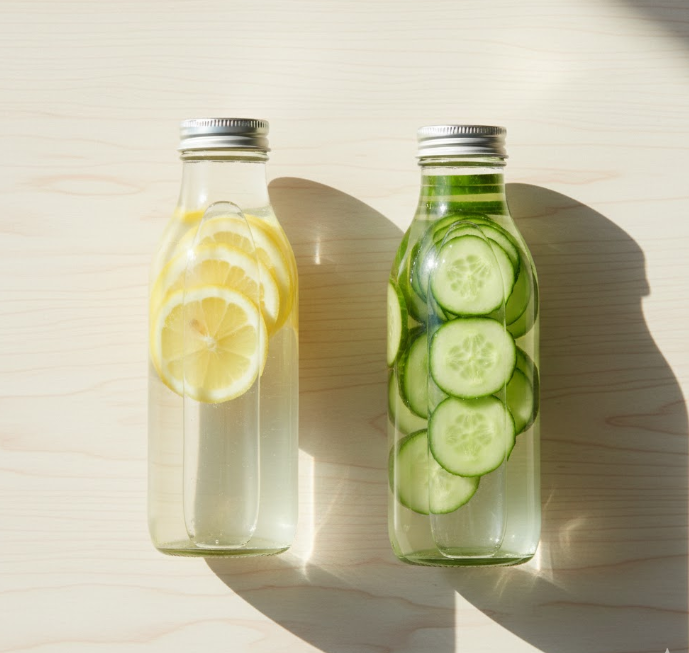
- Add lemon or cucumber for flavor
- Choose herbal teas over sugary drinks
Proper hydration supports digestion, skin health, and energy levels.
6. Eat Mindfully
Modern life encourages fast eating, like eating while scrolling, working, or rushing. Slowing down helps more than any diet.
Try These Mindful Habits
- Eat without distractions
- Chew thoroughly
- Stop when you feel comfortably full
- Notice cravings, are they emotional or physical?
- Take smaller plate portions and refill if needed
Eating slowly improves digestion and naturally prevents overeating.
7. Prioritize Gut-Friendly Foods
A healthy gut influences mood, immunity, metabolism, and even sleep. You can support it easily through food.
Add More of These:
- Curd or yogurt
- Fermented foods like pickles (in moderation)
- Bananas
- Whole grains and beans
- Vegetables and salads
A balanced gut helps reduce bloating, acidity, and irregular digestion.
8. Plan Your Meals Without Overthinking
Planning doesn’t mean creating complicated weekly menus. It means simplifying choices.
Simple Tricks
- Keep healthy snacks at home (nuts, fruits, roasted chana)
- Cook grains in advance, like rice or quinoa
- Prepare one big batch of dal or sabzi
- Keep easy meal additions like eggs, yogurt, or pre-cut vegetables
This prevents last-minute unhealthy choices.
9. Rethink Snacking
Snacking isn’t a problem. Choose snacks that keep you full and nourish the body.
Better Snack Options
- Fruit with nuts
- Yogurt with seeds
- Roasted chana or peanuts
- Protein smoothies
- Whole-grain crackers with hummus
- Dark chocolate (small piece)
These keep cravings under control and boost energy without adding excessive calories.
10. Give Your Body Lighter Evenings
Your digestive system slows down towards the end of the day. Eating lighter at night helps with better sleep and prevents discomfort.
Evening Tips
- Avoid very heavy meals
- Replace fried starters with soups or salads
- Keep dinner portions smaller than lunch
- Have your last big meal 2–3 hours before bed
This small shift improves digestion and sleep quality.
11. Enjoy Treats Without Guilt
Healthy eating doesn’t mean giving up favourite foods. Cravings are normal and completely fine.
Smart Ways to Enjoy Treats
- Have smaller portions
- Balance treats with a healthy next meal
- Savour each bite slowly
- Choose quality over quantity
12. Listen to Your Body
As the years pass, the body quietly communicates what it needs, like a little more protein for strength, more fibre for digestion, or lighter meals at night. These aren’t strict rules but gentle nudges your body gives you to stay healthy and active.
Healthy eating is not about age; it’s about tuning into your body’s signals and adjusting your choices so you feel good every single day.
Final Thoughts
You don’t need expensive superfoods, complicated diets, or dramatic restrictions. Every day eating becomes healthier when you choose:
- Balanced meals
- More whole foods
- Mindful portions
- Consistent hydration
- A calm eating environment
- Light, nourishing dinners
- Occasional treats are enjoyed guilt-free
These small steps make you feel energetic, light, and healthy both today and in the long run. Start with one or two changes, and let the habit grow naturally.
Sources
1. Harvard T.H. Chan School of Public Health – Healthy Eating Plate
https://www.hsph.harvard.edu/nutritionsource/healthy-eating-plate/
2. World Health Organization (WHO) – Healthy Diet Factsheet
https://www.who.int/news-room/fact-sheets/detail/healthy-diet
3. American Heart Association – Healthy Eating Guidelines
https://www.heart.org/en/healthy-living/healthy-eating
4. National Institutes of Health (NIH) – Office of Dietary Supplements
https://ods.od.nih.gov/
5. Academy of Nutrition and Dietetics – Evidence-Based Nutrition Information
https://www.eatright.org/health
Medical Disclaimer
This article is for educational purposes only and should not replace personalized medical or dietary advice. Always consult a licensed healthcare professional or registered dietitian before making significant changes to your eating habits, especially if you have medical conditions, food allergies, or take prescription medications.
The information provided on this blog is not intended to be medical advice and should not be relied upon as such.If you have any medical concerns, please consult with a qualified healthcare professional. We are not responsible for any harm or injury caused by reliance on the information provided.