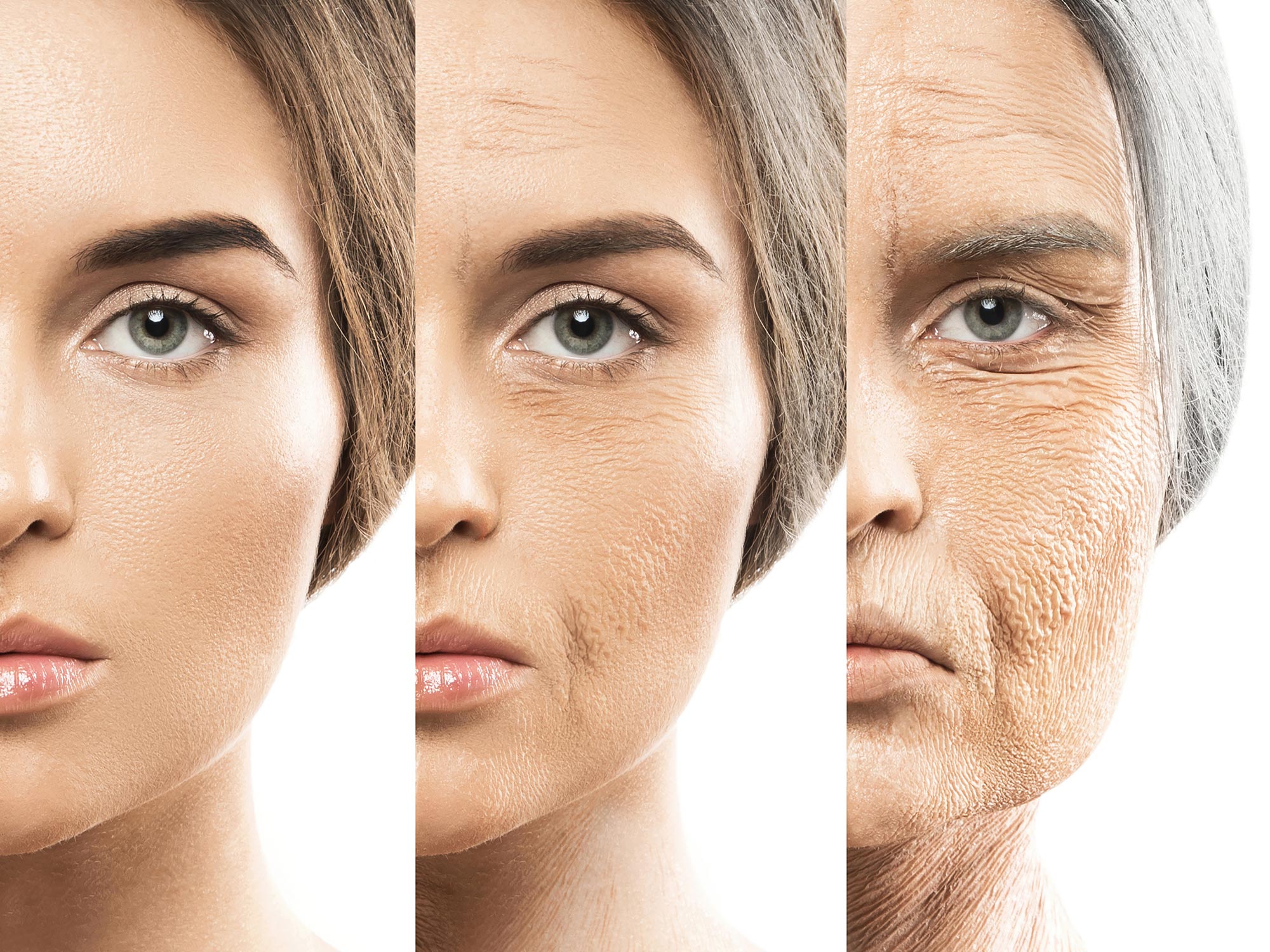
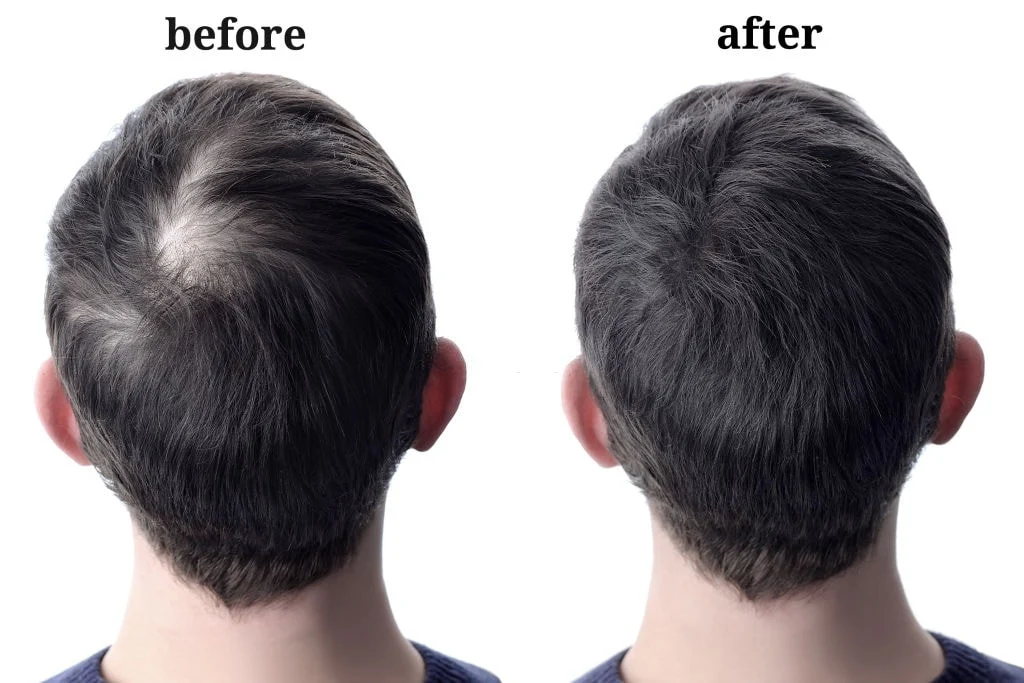
Hair loss, also known as alopecia, is a common concern for both men and women. While genetics play a crucial role in determining hair density and the onset of balding, lifestyle habits, nutrition, and hair care practices can influence the rate of hair loss and overall hair health. Preventive measures and consistent healthy routines can help maintain strong, resilient hair and reduce premature thinning.
This guide shares proven ways to help prevent balding, including tips on daily habits, nutrition, stress management, and hair care. By learning about the causes and following simple routines, you can take real steps to protect your hair.
Understanding Hair Loss
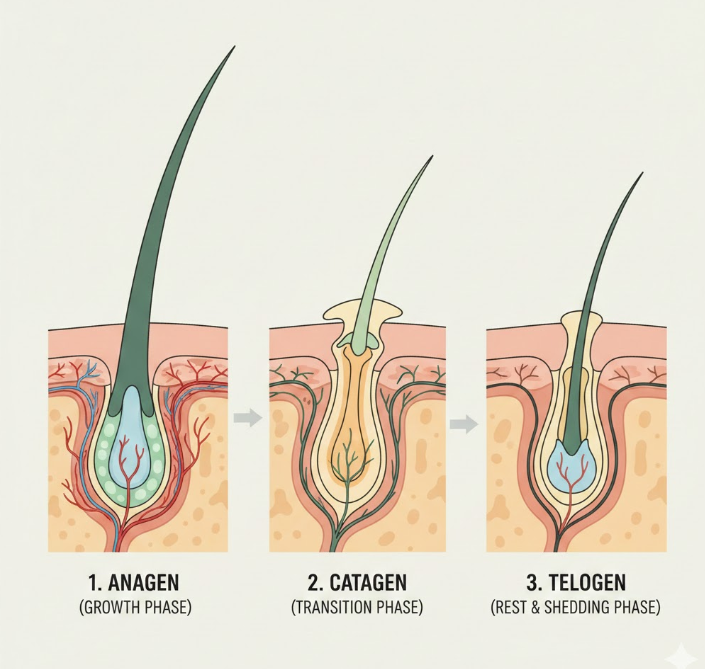
Hair loss occurs when the normal hair growth cycle is interrupted. This cycle has three main phases:
- Anagen (growth phase): Hair grows actively for 2 to 6 years.
- Catagen (transition phase): Growth slows, and the follicle shrinks. This lasts about 2 to 3 weeks.
- Telogen (resting phase): Hair falls out and is replaced. This phase lasts around 3 months.
Several factors contribute to hair thinning and balding:
- Genetics – Androgenetic alopecia (pattern baldness) is hereditary
- Hormonal changes – Thyroid disorders, menopause, or testosterone fluctuations
- Nutritional deficiencies – Low protein, iron, zinc, or vitamins
- Stress – Can trigger telogen effluvium (temporary hair shedding)
- Medical conditions and medications – Autoimmune disorders, chemotherapy, certain drugs
Understanding these factors emphasizes that preventive care focuses on controllable elements, particularly nutrition, habits, and lifestyle.
Nutrition for Hair Health
Eating a balanced diet is important for healthy hair because your hair follicles need nutrients to grow strong and stay healthy.
Essential nutrients for hair growth:
| Nutrient | Role in Hair Growth | Food Sources |
| Protein | Hair is primarily made of keratin, a protein | Eggs, lean meat, legumes |
| Iron | Prevents hair thinning, supports follicle oxygenation | Spinach, red meat, lentils |
| Zinc | Supports repair and growth | Nuts, seeds, whole grains |
| Biotin (Vitamin B7) | Strengthens hair structure | Eggs, nuts, salmon |
| Omega-3 fatty acids | Reduces inflammation, nourishes follicles | Fatty fish, chia seeds, walnuts |
| Vitamin D | Supports follicle cycling | Sun exposure, fortified foods |
Here are some practical tips:
- Include protein at every meal to support follicle strength
- Eat a variety of colorful fruits and vegetables for antioxidants
- Avoid crash diets, as they can trigger temporary hair loss
Eating well helps your hair and your overall health, so it’s a key step in preventing hair loss.
Proper Hair Care Practices
How you care for your hair every day can help prevent damage and breakage.
Recommended practices:
- Gentle washing: Use a mild shampoo suited for your hair type
- Conditioning: Moisturize hair strands to prevent dryness and split ends
- Avoiding harsh chemicals: Limit bleaching, excessive coloring, and heat styling
- Drying techniques: Pat hair dry instead of rubbing; avoid high-heat blow drying
- Combing carefully: Use wide-tooth combs to detangle wet hair
If you handle your hair gently and avoid excessive styling, you can reduce damage and slow thinning.

Managing Stress for Healthy Hair
Stress can lead to hair loss. When your stress levels are high, it can disrupt your hair’s growth cycle, leading to increased shedding.
Effective stress management strategies include:
- Mindfulness meditation or deep breathing exercises
- Yoga, Pilates, or light stretching
- Engaging in hobbies and creative activities
- Ensuring social connection and support
Lowering your stress helps your hair and is also good for your general health.
Exercise and Blood Circulation
Being active helps improve blood flow, bringing more oxygen and nutrients to your hair follicles. This can make your hair stronger, help it grow, and reduce shedding caused by poor nutrition.
Recommended activities:
- Brisk walking, running, or cycling
- Strength training for systemic health
- Scalp massages to stimulate local blood flow
Just a few minutes of scalp massage each day can boost blood flow and relax the muscles around your hair follicles, helping your hair grow more healthily.
Avoiding Harmful Hair Habits
Some habits can speed up hair damage and loss. To help prevent balding, it’s important to spot and change these behaviors:
- Tight hairstyles: Avoid constant ponytails, braids, or buns that stress follicles
- Excessive heat: Limit curling irons, straighteners, and high-heat blow drying
- Chemical exposure: Minimize harsh dyes, relaxers, and perms
- Rough handling: Avoid aggressive brushing or towel rubbing
- Smoking and alcohol: Both reduce circulation and nutrient delivery to follicles
Small, steady changes in how you handle your hair can make a big difference over time.
Medical and Professional Guidance
While lifestyle and routines help prevent hair loss, professional consultation is important if:
- Hair loss is rapid or sudden
- Balding patterns seem unusual
- There are signs of scalp irritation or disease
Dermatologists can assess for conditions like androgenetic alopecia, alopecia areata, or thyroid-related hair loss. Treatments such as topical minoxidil, prescription medications, or PRP therapy may be recommended in combination with healthy routines.
How Long Until You See Results
Hair growth is a gradual process, and changes take time:
- 4–6 weeks: Hair appears stronger and healthier
- 2–3 months: Reduced shedding and improved density
- 6–12 months: Visible improvement in thickness and overall hair health
Consistency is key; preventive habits must be maintained over months to observe meaningful results.
Final Thoughts
Preventing balding is possible through consistent, healthy routines. Proper nutrition, gentle hair care, stress management, exercise, and avoiding damaging habits create the foundation for strong, resilient hair. While genetics and medical factors play a role, daily practices can slow hair thinning, improve follicle health, and support long-term hair maintenance.
Starting these habits early and keeping them up gives you the best chance of keeping your hair thick and healthy over time.
Sources
Medical Disclaimer
This article is for informational and educational purposes only. It is not a substitute for professional medical, dermatological, or nutritional advice. Consult a licensed healthcare provider or dermatologist before making significant changes to your diet, hair care, or lifestyle routines.
The information provided on this blog is not intended to be medical advice and should not be relied upon as such.If you have any medical concerns, please consult with a qualified healthcare professional. We are not responsible for any harm or injury caused by reliance on the information provided.