
Ultra-processed foods are part of many everyday diets. Packaged snacks, soft drinks, instant meals, sweetened cereals, and ready-to-eat products are convenient and easy to fit into a busy routine.
If you want to eat less of them, you do not need to change your entire diet at once. Start by identifying the foods you eat most often, find simpler alternatives, and make one change at a time.
A Simple Guide to Food Processing
| Food type | What it means | Examples |
| Whole or minimally processed | Foods kept close to their natural form, with little processing | Fresh fruit, vegetables, eggs, nuts |
| Processed | Foods changed from their original form or combined with other ingredients | Canned beans, cheese, whole-grain bread |
| Ultra-processed | Highly formulated products made with multiple ingredients and industrial processing | Soft drinks, chips, packaged cookies, instant noodles |
What Are Ultra-Processed Foods?
Ultra-processed foods are heavily formulated foods that contain several added ingredients. They are typically made through industrial processes and are designed to be convenient, highly palatable, or ready to eat or drink.
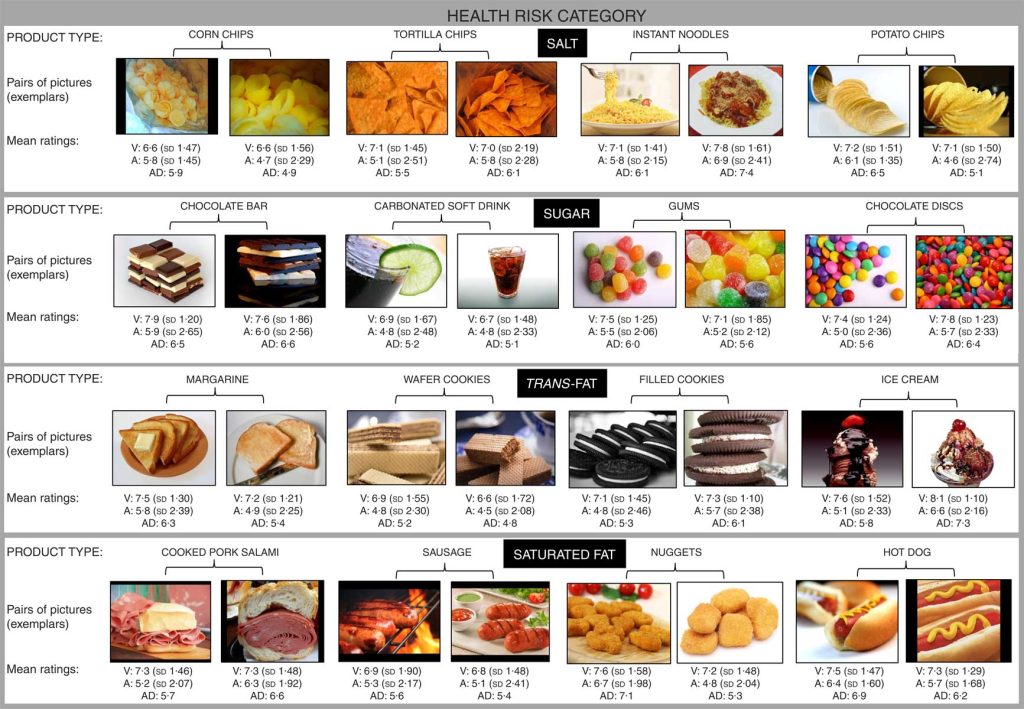
Common examples include soft drinks, packaged cookies, chips, candy, sugary breakfast cereals, instant noodles, ready-to-eat meals, and some processed meat products.
Not every packaged or processed food is ultra-processed. Frozen vegetables, canned beans, plain yogurt, and pasteurized milk can be processed without being ultra-processed.
A simple way to understand the difference is to look at how far a food has moved from its original form.
The goal isn’t to avoid everything that comes in a package. It is to recognize highly formulated foods and gradually reduce how often you rely on them.
Learn to Spot Ultra-Processed Foods
The ingredient list can tell you how a product is made. Instead of relying only on claims on the front of a package, check the ingredients and nutrition information. A long ingredient list alone does not determine whether a food is ultra-processed, but certain additives, flavorings, sweeteners, colors, and emulsifiers are common in these products. Also look at the amount of added sugar, sodium, and saturated fat, depending on the type of food. You do not need to inspect every product in your kitchen. Start with the foods you buy and eat most often.
Start With the Foods You Eat Most
The easiest place to begin is with foods that appear regularly in your routine. Think about what you eat during a typical week. You might have packaged cereal every morning, a snack bar every afternoon, or instant noodles several times a week. Choose one of these foods to change first.
Replacing a food you eat often can have a greater effect on your overall eating pattern than focusing on something you eat only occasionally.
Make Better Snack Options
Snacks are often an easy starting point because convenience influences what you choose when you are hungry.
Keep simple options ready:
- Fresh fruit
- Nuts and seeds
- Plain yogurt with fruit
- Boiled eggs
- Cut vegetables with hummus
- Homemade popcorn
Start by replacing your usual packaged snack on a few days each week. Once that feels natural, increase the frequency.
Build Meals From Simple Ingredients
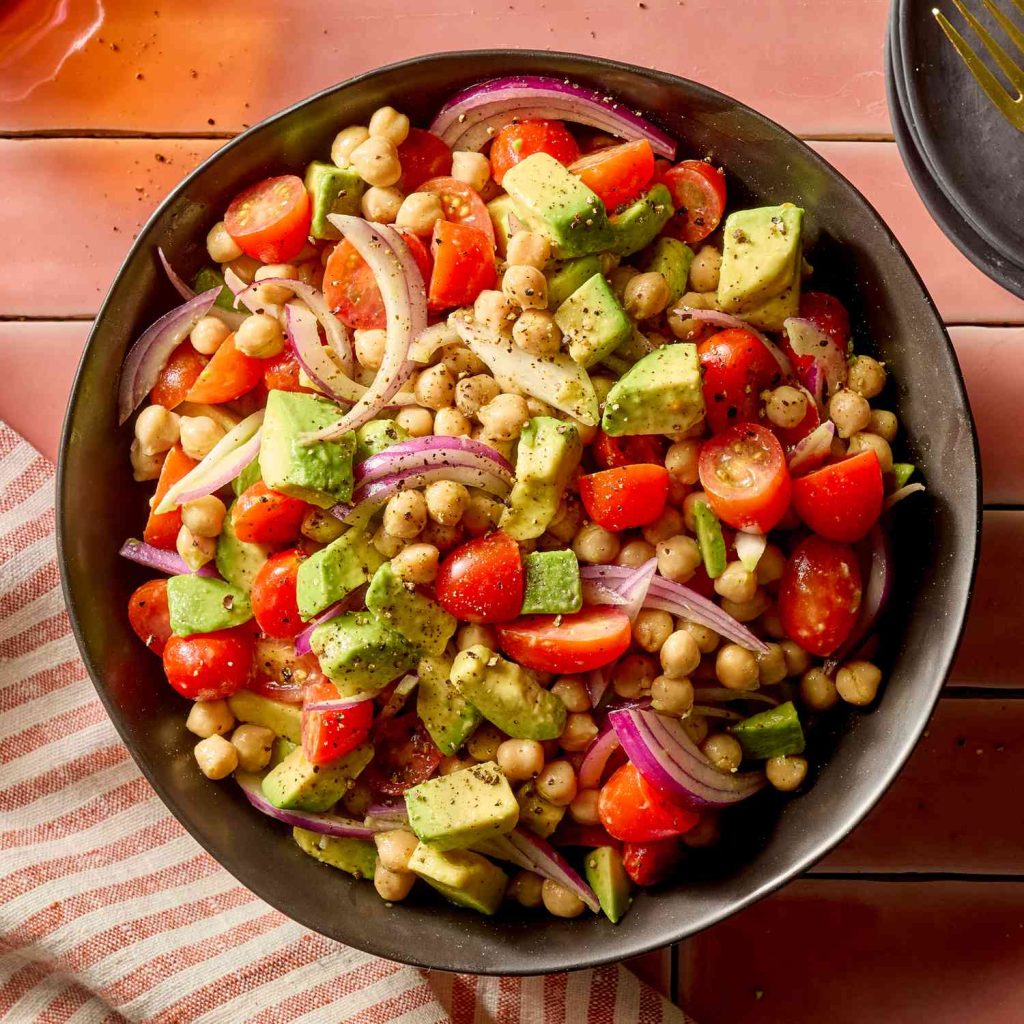
Reducing ultra-processed foods does not mean preparing complicated meals. Start with ingredients you already use and enjoy. Vegetables, fruits, beans, lentils, whole grains, eggs, fish, nuts, seeds, and fresh meat can form the base of simple meals.
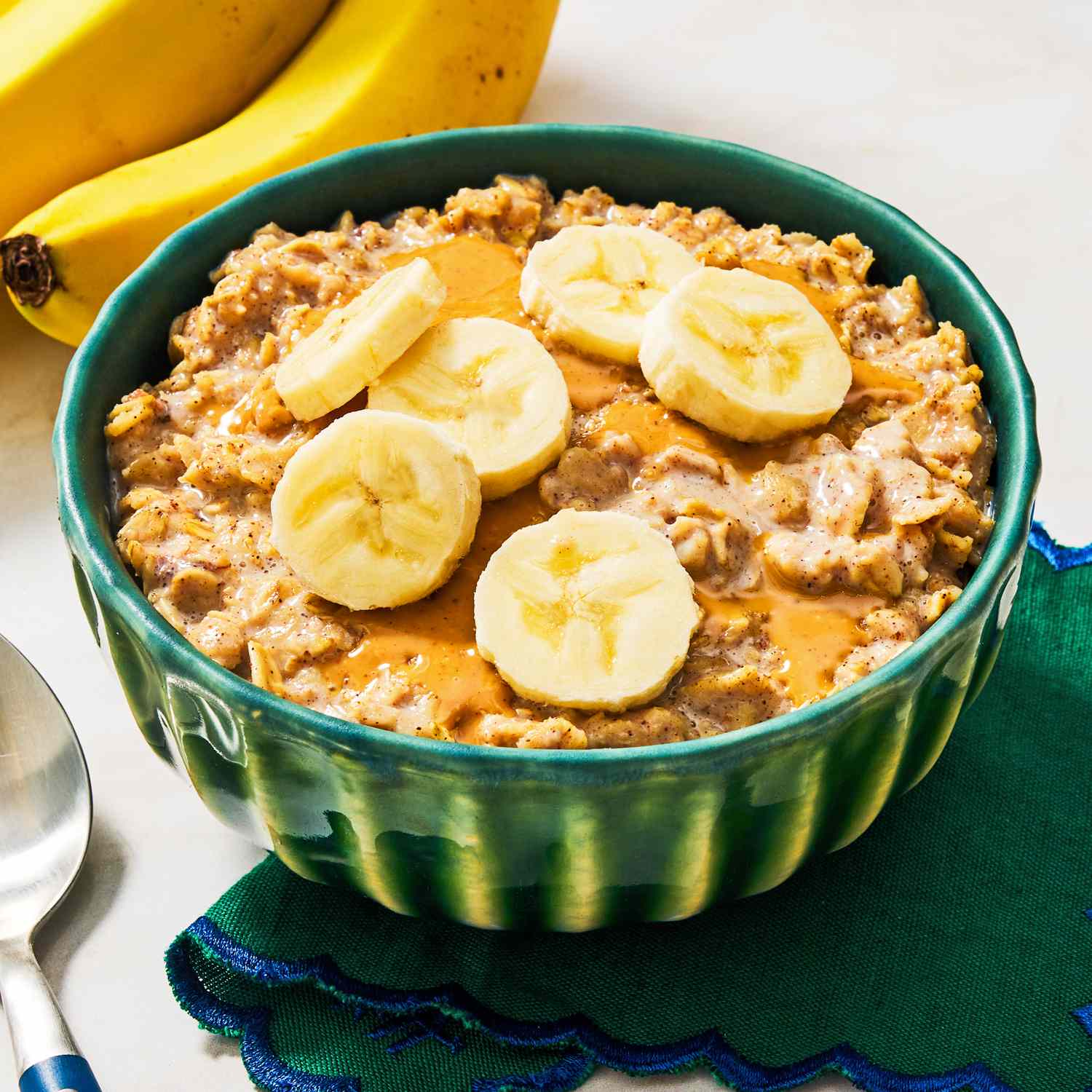
For example, replace a ready-to-eat meal with cooked grains, vegetables, and beans. Instead of flavored instant oatmeal, prepare plain oats and add fruit, cinnamon, or nuts. You are changing the ingredients in the meal, not completely changing how you eat.
Rethink Your Usual Breakfast
Breakfast can be another useful place to make a gradual change.
Some breakfast cereals, pastries, flavored oatmeal products, and sweetened breakfast drinks contain substantial amounts of added sugar and other ingredients.
Try options such as:
- Plain oats with fruit and nuts
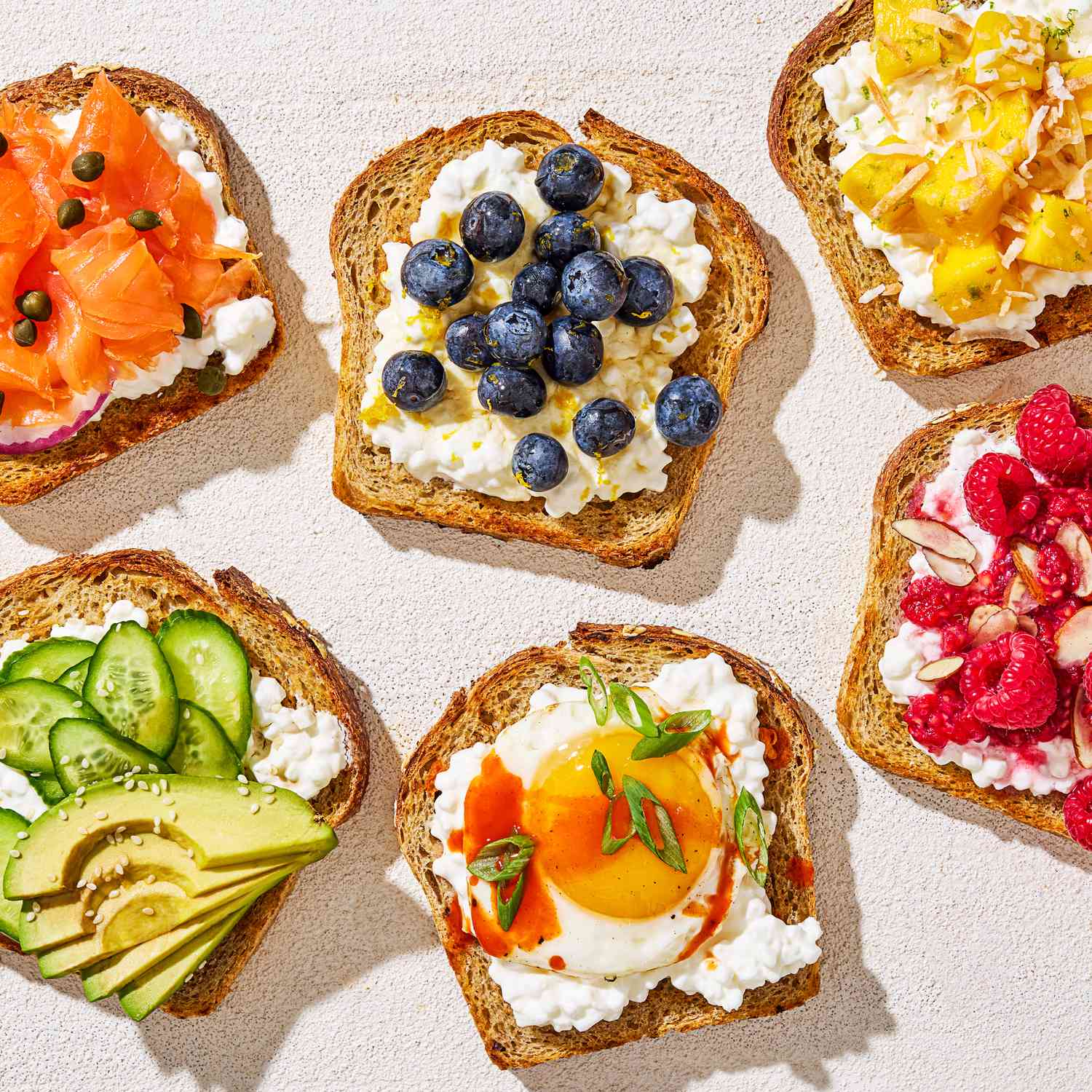
- Eggs with whole-grain toast
- Plain yogurt with fruit and seeds
- Fresh fruit with unsalted nuts
If you prefer packaged cereal or bread, compare the ingredient and nutrition labels rather than assuming that every product in the category is equally processed.
Add More Whole Grains to Your Meals
Whole grains include oats, brown rice, barley, quinoa, whole-wheat bread, and whole-grain pasta.
You can introduce them without completely changing your meals. Try whole-grain bread instead of refined bread, or use brown rice in some of your usual dishes.
When buying packaged grain products, check the ingredient list to see whether a whole grain is a main ingredient. The change does not have to happen at every meal. Start with the foods you eat most often.
Add Fruits and Vegetables to Your Diet
Add fruits and vegetables to meals you already eat. Have fruit with breakfast, add vegetables to lunch or dinner, or keep washed and cut vegetables ready for quick snacks.
Frozen vegetables are a convenient choice for quick meals, while canned vegetables and beans can save preparation time. Check the labels and choose options with less sodium or added sugar when available.
You do not need to prepare every meal from scratch. Keeping convenient fruits and vegetables at home makes them easier to include in your daily meals.
Keep Basic Ingredients Ready
When you lack time, ready-to-eat foods can be an easy choice.
Preparing a few ingredients ahead of time can make simple meals just as convenient. You could:
- Cook a batch of rice, quinoa, or another grain
- Prepare beans or lentils
- Wash and cut vegetables
- Boil eggs
- Portion nuts or fruit for snacks
- Prepare simple meals in individual portions
You do not need a full week of meals in the refrigerator. Having a few ingredients ready can be enough to make a quick meal without reaching for an instant option.
Reduce Processed Meat Gradually
Processed meats include foods such as bacon, sausages, hot dogs, and deli meats made through methods such as curing, smoking, or salting.
If you eat them regularly, start by replacing some meals rather than trying to remove them all at once.
Eggs, beans, lentils, fish, chicken, and other protein sources can provide alternatives for some meals.
For example, if processed meat is part of three meals each week, start by changing one. Once that becomes part of your routine, make another substitution.
Use Your Shopping List to Guide Your Choices
What you bring home often determines what is available during the week.
Before shopping, think about the meals and snacks you plan to have. Add more fruits, vegetables, whole grains, beans, lentils, nuts, seeds, and other foods you want to eat regularly.
You do not need to stop buying packaged foods altogether. Instead, choose more carefully which ones become regular purchases.
Quick Shopping Checklist
Before you leave the store, check that your basket includes:
- Fruits and vegetables
- Whole grains
- Beans or lentils
- Simple protein sources
- Ingredients for easy snacks
A planned shopping list makes it easier to have the ingredients you need for simple meals available at home.
Change One Habit Before the Next
Trying to change several parts of your diet at once can make the process harder to maintain.
Choose one regular food first. Find an alternative that works for you and give yourself time to get used to it.
For example, you might start with your afternoon snack. Once that change becomes routine, move on to breakfast or another food you eat frequently.
This approach lets you build a new eating pattern gradually instead of relying on short-term restrictions.
Give Your New Routine Time to Settle
Changing familiar eating habits takes time. Foods you regularly eat are often connected to your schedule, preferences, and convenience.
Some alternatives will work better for you than others. If one replacement does not fit your routine, try another.
You also do not need to avoid every ultra-processed food. Focus on gradually reducing your reliance on these foods and making whole or minimally processed options a more regular part of your meals.
Takeaway
You do not need to eliminate every ultra-processed food to change your eating habits.
Start with the foods you eat most often. Check the ingredients, swap a few regular choices for simpler alternatives, keep basic ingredients on hand, and make changes one at a time.
The goal is not a perfect diet. It is to make whole, minimally processed foods a more regular part of your everyday meals.
The information provided on this blog is not intended to be medical advice and should not be relied upon as such.If you have any medical concerns, please consult with a qualified healthcare professional. We are not responsible for any harm or injury caused by reliance on the information provided.