
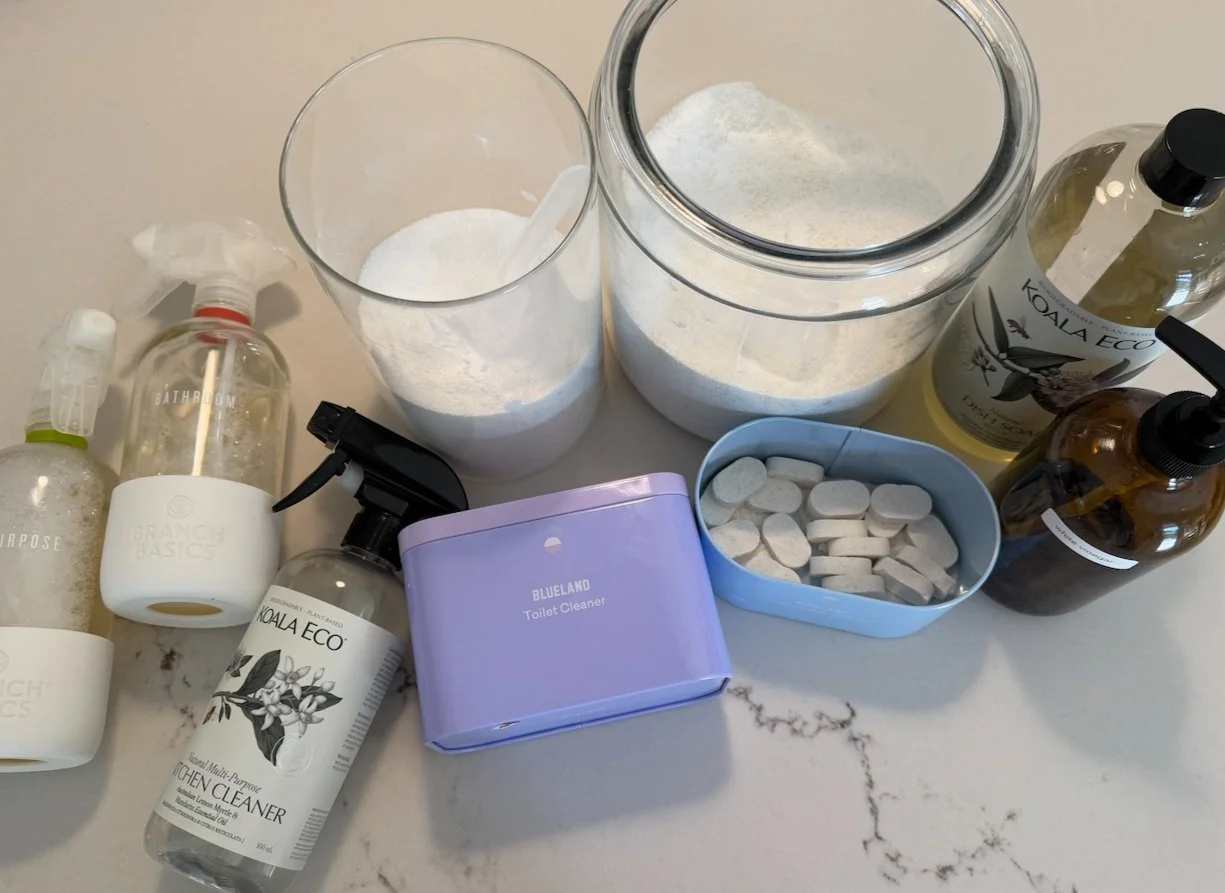
You do not need a cabinet full of specialized cleaners to handle everyday household cleaning. A small collection of basic products can take care of many routine jobs, from removing surface dirt and soap residue to freshening fabrics and tackling kitchen grime.
The term “non-toxic” is not a standardized guarantee, so it is better to focus on the ingredients, intended use, ventilation, and product instructions. Even familiar household ingredients can cause problems when used incorrectly or combined with other chemicals.
A simple cleaning routine can include both basic household ingredients and ready-made products when stronger cleaning or disinfection is needed.
The Core Cleaning Cabinet
These five ingredients are useful for many everyday cleaning tasks. They do not replace every specialized cleaner, and each has surfaces or situations where it should not be used.
1. White Distilled Vinegar
Vinegar contains acetic acid, which makes it useful for loosening mineral deposits and some soap residue. It can work well for tasks such as removing hard-water buildup from suitable surfaces.
Do not use vinegar on natural stone such as marble or limestone, and avoid using it on surfaces where the manufacturer advises against acidic cleaners.
Most importantly, never mix vinegar with chlorine bleach, because the combination can produce irritating chlorine gas.
2. Baking Soda
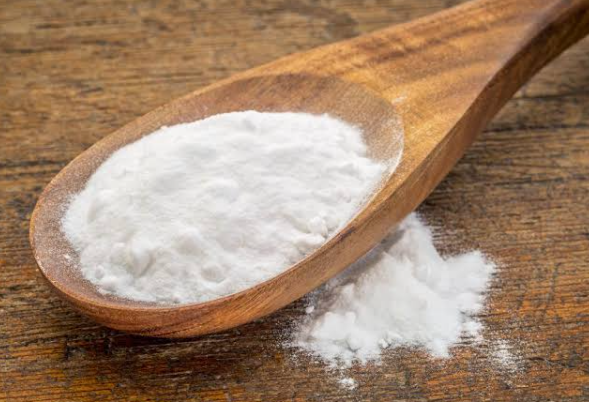
Baking soda is a mild abrasive that can help remove surface grime and odors.
Use it as a powder or make a simple paste with water for suitable surfaces. Test an inconspicuous area first, particularly on delicate finishes, because even mild abrasives can affect some surfaces.
3. 3% Hydrogen Peroxide
Household 3% hydrogen peroxide is useful for some cleaning and stain-removal tasks. It can also have antimicrobial activity, but that does not mean every homemade hydrogen peroxide spray should be treated as a validated disinfectant.
For disinfection, use a product specifically intended and labeled for that purpose and follow its directions, including the required contact time.
Hydrogen peroxide should also be stored away from light and heat according to the product instructions.
4. Liquid Castile Soap
Castile soap is a plant-oil-based soap that can be useful for removing everyday dirt and grease from compatible surfaces.
A small amount diluted in water can work for general household cleaning, but avoid assuming that every surface is compatible with soap or that more soap means better cleaning. Excess residue can leave surfaces dull or sticky.
5. Washing Soda
Washing soda, or sodium carbonate, is more alkaline than baking soda and can help with heavy-duty cleaning and laundry.
It should be handled according to the package directions. Avoid using it on delicate materials or surfaces that can be damaged by alkaline cleaners.
5 Simple Homemade Cleaning Recipes
Homemade cleaners are best kept simple. Make small quantities, use them for their intended purpose, and label any container clearly.
1. Everyday Vinegar Cleaning Spray
Formula: Mix equal parts white vinegar and water.
Best for: Suitable glass, some ceramic surfaces, and other acid-compatible household surfaces.
Do not use this mixture on marble, limestone, or other acid-sensitive natural stone. It is also not a disinfectant simply because vinegar is acidic.
For surfaces that are not compatible with vinegar, plain water with an appropriate amount of soap or a suitable commercial cleaner may be a better choice.
2. Baking Soda Scrub
Formula: Mix baking soda with enough water to create a thick paste.
Best for: Suitable sinks, tubs, and other surfaces where gentle scrubbing is appropriate.
Apply the paste with a soft sponge or cloth, scrub gently, and rinse thoroughly.
Avoid using abrasive cleaning methods on delicate, polished, or easily scratched surfaces.
3. Simple Glass Cleaner
Formula: Mix water with a small amount of 70% isopropyl alcohol in a suitable spray bottle.
Best for: Glass surfaces and mirrors.
Spray onto the cloth rather than soaking the surface, particularly around frames and edges. Wipe with a clean microfiber cloth to reduce streaks.
There is no need to add several cleaning ingredients when water and an appropriate glass-cleaning method are enough for routine maintenance.
4. Baking Soda Fabric Freshener
Formula: Use plain baking soda without added essential oils.
Best for: Freshening suitable carpets and fabric surfaces.
Sprinkle a light layer over the surface, leave it for a short period, and vacuum thoroughly.
Test the material first, especially with upholstery and rugs. Baking soda is a deodorizing aid, not a substitute for washing or professional cleaning when a fabric is heavily soiled.
5. Hydrogen Peroxide for Selected Cleaning Tasks
Formula: Use commercially prepared 3% hydrogen peroxide according to its product directions.
Best for: Certain stain-removal and cleaning applications where the product is appropriate for the surface.
Test it on an inconspicuous area first because hydrogen peroxide can affect some dyes and finishes.
Do not mix hydrogen peroxide with vinegar, bleach, or other cleaning chemicals. When a surface needs disinfection, use a product labeled for that purpose and follow its instructions rather than relying on a homemade formula.
When Homemade Cleaners Are Not Enough
Simple ingredients are useful for routine cleaning, but they are not interchangeable with disinfectants or specialized cleaning products.
Cleaning removes dirt, grease, and many germs from a surface. Disinfection is a separate process intended to kill remaining germs and requires an appropriate disinfecting product used according to its label. In most everyday household situations, regular cleaning is sufficient. Disinfection becomes more relevant when someone is sick or when there is another specific reason to reduce pathogens on surfaces.
For products that need verified performance, an established commercial cleaner or disinfectant may be the more appropriate choice. EPA’s Safer Choice program provides a way to identify products that meet specific ingredient and performance criteria rather than relying only on marketing terms such as “green” or “natural.”
Choosing Between Basic Ingredients and Commercial Cleaners
| Cleaning Need | Simple Household Option | When a Commercial Product Makes More Sense |
| Everyday surface dirt | Soap and water | When the surface requires a specific cleaner |
| Mineral buildup | Diluted vinegar on compatible surfaces | Heavy buildup or surfaces that require a specialized product |
| Light scrubbing | Baking soda | Delicate or specialty surfaces |
| Glass and mirrors | Water and an appropriate glass-cleaning method | Heavy residue or specialized glass surfaces |
| Odor control | Baking soda for suitable materials | Persistent odors that require deeper cleaning |
| Disinfection | Use an appropriate labeled disinfectant | When verified antimicrobial performance is required |
The safest choice depends on the surface, the type of soil or contamination, and the product’s intended use.
3 Safety Rules for Household Cleaning
1. Never Mix Cleaning Products
Do not mix bleach with vinegar, ammonia, or other cleaning products. Mixing household chemicals can produce dangerous vapors. EPA and CDC both recommend following product labels and avoiding combinations of cleaning chemicals.
A good rule is simple: use one cleaning product at a time and rinse the surface when the product instructions call for it before using something else.
2. Label and Store Homemade Cleaners Properly
Clearly label any homemade mixture with its ingredients and intended use. Store cleaning products away from children and pets and keep them in appropriate containers.
Do not reuse food or beverage containers for cleaning chemicals, since this can create a serious risk of accidental ingestion.
3. Ventilate While Cleaning
Open windows or doors when appropriate and use ventilation when cleaning with products that produce noticeable fumes or vapors.
EPA recommends increasing ventilation when using products that emit VOCs and following manufacturer precautions.
Build a Simpler Cleaning Routine
A smaller cleaning cabinet can make everyday chores easier, but fewer products do not automatically mean that every household cleaning task can be handled with the same homemade mixture.
Keep a few versatile basics such as baking soda, vinegar, soap, and an appropriate stain or cleaning product. Use each where it works best, avoid incompatible surfaces, and keep a properly labeled disinfectant available when disinfection is actually needed.
The goal is not to replace every commercial cleaner. It is to use the simplest effective option for each job while handling household chemicals carefully.
The information provided on this blog is not intended to be medical advice and should not be relied upon as such.If you have any medical concerns, please consult with a qualified healthcare professional. We are not responsible for any harm or injury caused by reliance on the information provided.