
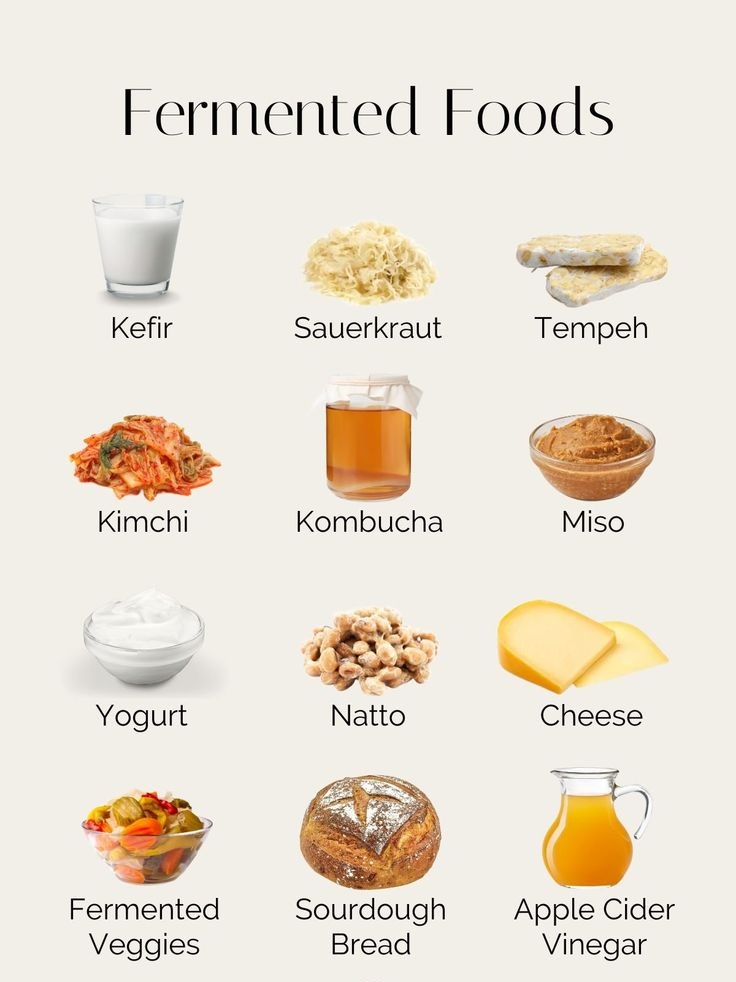
Fermented foods can be an easy way to add variety to your diet while introducing foods that contain live microorganisms, organic acids, or other compounds produced during fermentation. Foods such as yogurt, kefir, kimchi, sauerkraut, miso, tempeh, idli, dosa, and kanji are made using different fermentation processes, so their nutritional and microbial profiles vary.
You do not need to make major changes to your diet. Start with small portions of fermented foods you already enjoy and include them regularly as part of balanced meals.
1. Start Your Day With Yogurt or Kefir
Plain yogurt and kefir are among the simplest fermented foods to add to breakfast. When choosing yogurt or kefir, check the label for live or active cultures if you specifically want a product containing live microorganisms.
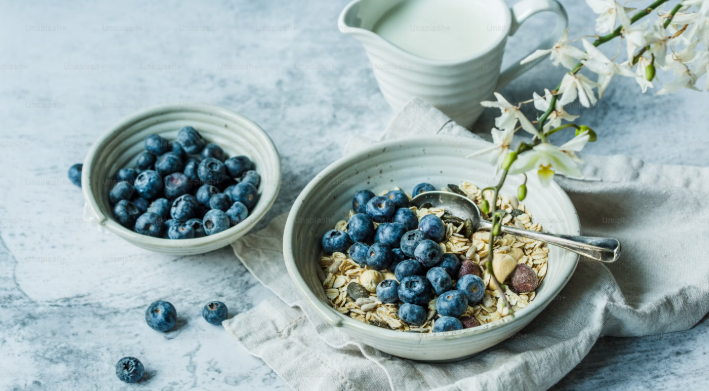
How to eat it: Add plain yogurt to a bowl with fruit, oats, and nuts, or blend kefir with banana and berries for a quick smoothie.
Good to know: Yogurt and kefir also provide nutrients such as protein and calcium. Choose unsweetened varieties if you want to keep added sugar low.
2. Add Kimchi or Sauerkraut to Lunch and Dinner
Kimchi and sauerkraut can add acidity, crunch, and strong flavor to otherwise simple meals. Both are fermented vegetable foods, although their ingredients and preparation methods differ.
How to eat them: Add a spoonful of kimchi to rice bowls, eggs, or noodles. Use sauerkraut alongside sandwiches, grain bowls, or roasted vegetables.
Check the label: If you want live cultures, look for refrigerated products that have not been pasteurized after fermentation. Not every fermented vegetable product contains live microorganisms when you eat it.
3. Choose Kombucha Instead of Another Sugary Drink
Kombucha is a fermented tea that can provide a fizzy alternative to soda or other sweetened drinks. Its sugar content varies considerably between brands, so check the nutrition label before choosing one.
How to drink it: Have a small glass with lunch or as an afternoon drink instead of reaching for a sugary soft drink.
Keep in mind: Kombucha is not a replacement for water or a guarantee of better gut health. Treat it as one optional fermented food in an otherwise varied diet.
4. Use Miso in Soups and Dressings
Miso is a fermented soybean paste commonly used in Japanese cooking. Its savory, salty flavor makes it useful for adding depth to soups, marinades, sauces, and dressings.
How to use it: Mix a small amount into warm water or broth for a simple soup, or whisk it with sesame oil, rice vinegar, and a little water to make a dressing.
Cooking tip: If you want to retain live microorganisms, avoid boiling miso for a long period. Add it toward the end of cooking instead.
5. Add Tempeh to Stir-Fries and Grain Bowls
Tempeh is made from fermented soybeans and is a useful source of plant protein. Its firm texture makes it easy to use in savory meals.
How to eat it: Slice or cube tempeh, pan-sear it, and add it to stir-fries, salads, wraps, or grain bowls with vegetables and a simple sauce.
Unlike many fermented foods used mainly as condiments, tempeh can serve as the main protein in a meal.
6. Include Idli and Dosa in Your Regular Meals
Idli and dosa are made from fermented batters traditionally prepared with rice and urad dal. Fermentation changes the batter’s flavor, texture, and composition.
How to eat them: Pair idli with sambar and vegetables, or serve dosa with sambar and chutney for a more complete meal.
The fermentation process is useful, but it is better to view idli and dosa as part of a balanced meal rather than assuming that every serving provides a significant amount of live probiotic bacteria.
7. Try Kanji and Other Traditionally Fermented Drinks
Carrot kanji is a traditional fermented drink made with ingredients such as carrots, water, salt, and spices. Other regional fermented foods and drinks can also add variety to your diet.
How to include it: Have a small serving alongside a meal rather than treating fermented drinks as a daily health supplement.
Because homemade fermented foods can vary in preparation and storage conditions, follow reliable food-safety practices and use clean containers and fresh ingredients.

8. Add Fermented Foods to Familiar Meals
You do not need to build your meals around fermented foods. Small additions can fit naturally into what you already eat.
Try:
- Yogurt with breakfast or lunch
- Kimchi with rice and eggs
- Sauerkraut in a sandwich
- Miso dressing with a vegetable bowl
- Tempeh in a stir-fry
- Idli with sambar and vegetables
- Kanji alongside a traditional meal
This approach makes fermented foods easier to include regularly without changing your entire diet.
9. Start With Small Portions
If fermented foods are new to your diet, start with a small serving and see how you feel. Foods such as kimchi, sauerkraut, and kanji can be relatively salty or strongly flavored, while some fermented dairy products may not suit everyone.
You can gradually introduce different foods rather than adding several new fermented products at once.
10. Choose Variety Instead of One “Best” Fermented Food
Different fermented foods contain different microorganisms and fermentation byproducts. Yogurt is different from kimchi, which is different from miso or tempeh.
Instead of relying on one food every day, rotate a few options throughout the week. This also gives you more variety in your overall diet.
Simple Ways to Build Fermented Foods Into Your Week
| Meal | Fermented food | Simple way to use it |
| Breakfast | Yogurt | Add fruit, oats, and nuts |
| Breakfast | Idli | Serve with sambar and vegetables |
| Lunch | Kimchi | Add to a rice or grain bowl |
| Lunch | Sauerkraut | Add to a sandwich or salad |
| Snack | Kefir | Blend with fruit |
| Dinner | Miso | Use in soup or dressing |
| Dinner | Tempeh | Add to a vegetable stir-fry |
| With a meal | Kanji | Serve a small portion alongside food |
A Few Things to Remember
Fermented foods can be part of a healthy, varied diet, but they are not all interchangeable. Some contain live microorganisms when consumed, while others may be cooked or pasteurized after fermentation. Their effects can also vary depending on the food, preparation method, serving size, and individual diet.
Start with foods you already enjoy, choose products with live cultures when that is your goal, and vary your choices throughout the week. A simple yogurt breakfast, a little kimchi with lunch, or tempeh with dinner can make fermented foods a practical part of your regular eating pattern.
The information provided on this blog is not intended to be medical advice and should not be relied upon as such.If you have any medical concerns, please consult with a qualified healthcare professional. We are not responsible for any harm or injury caused by reliance on the information provided.